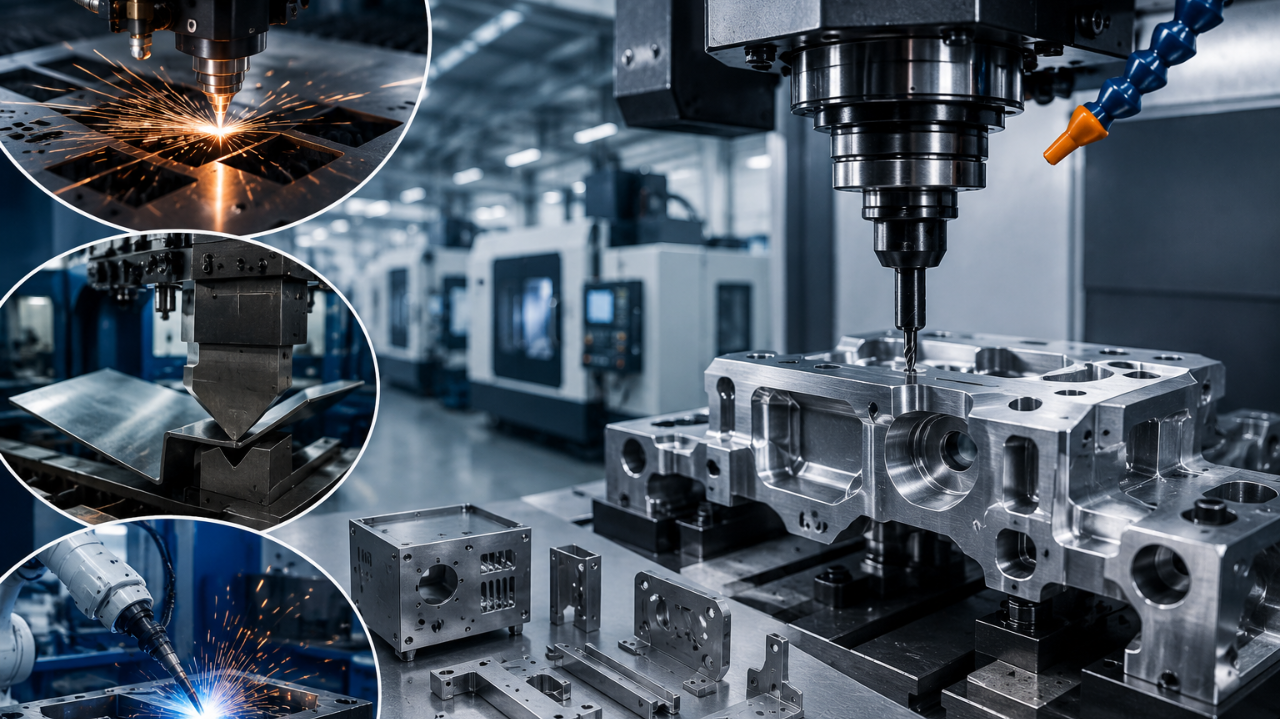

A Complete Guide to Modern Industrial Manufacturing
Sheet metal fabrication has become an essential part of modern manufacturing, supporting industries with durable, accurate, and customized metal components. From industrial machinery and automation systems to electrical equipment and engineering applications, fabricated metal parts play a critical role in building reliable products.
With advancements in technology, modern sheet metal fabrication services combine precision machinery, skilled craftsmanship, and advanced processes to deliver high-quality components with excellent durability and performance.
M.B. Engineering specializes in providing professional fabrication solutions designed to meet the diverse requirements of industries with accuracy and efficiency.
What is Sheet Metal Fabrication?
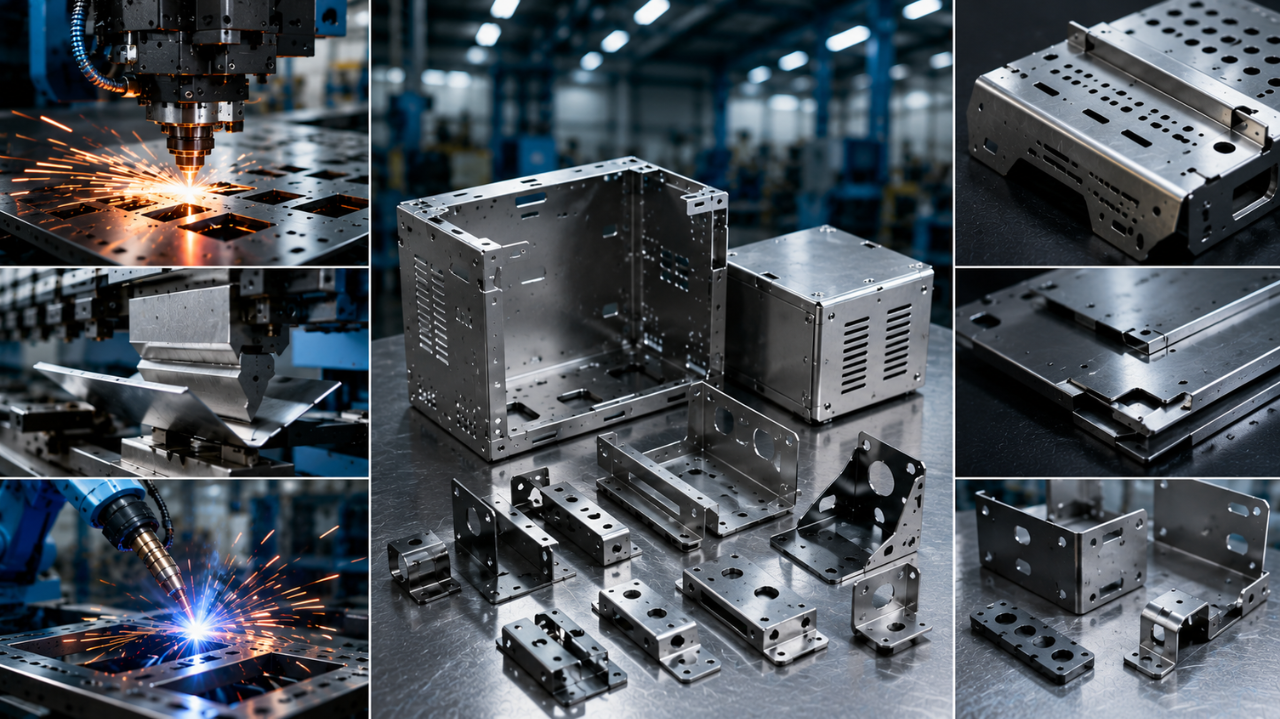
Sheet metal fabrication is the process of transforming flat metal sheets into functional components through various manufacturing techniques. The process includes cutting, bending, forming, welding, and finishing to create customized parts based on specific design requirements.
Common materials used in sheet metal fabrication include:
- Stainless steel
- Mild steel
- Aluminium
- Galvanized steel
- Other industrial-grade metals
The flexibility of sheet metal fabrication makes it suitable for both simple components and complex industrial assemblies.
Key Processes Involved in Sheet Metal Fabrication
1. Laser Cutting
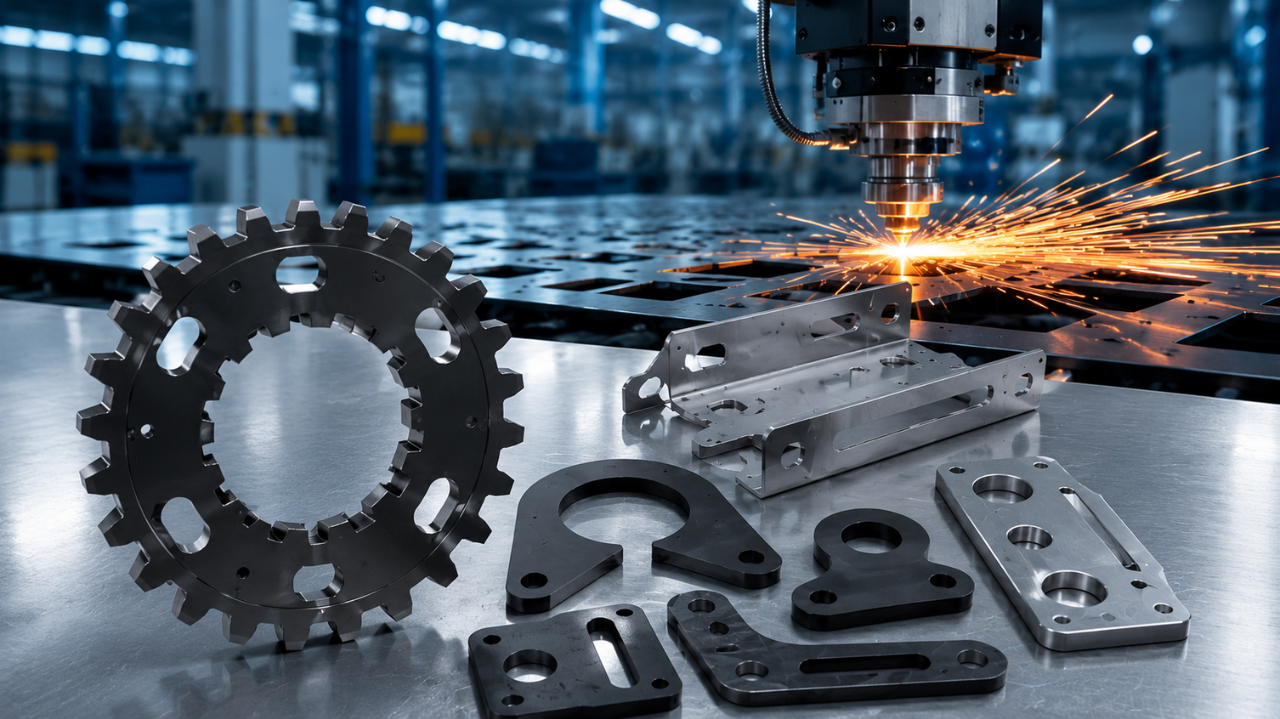
Laser cutting is one of the most advanced methods used in modern fabrication. It uses a high-powered laser beam to cut metal sheets with exceptional accuracy.
Benefits include:
- Precise dimensions
- Smooth edges
- Faster production
- Minimal material wastage
This process allows manufacturers to create complex designs while maintaining consistent quality.
2. CNC Bending
CNC bending uses computer-controlled machines to shape metal sheets according to required angles and designs.
Advantages include:
- High repeatability
- Accurate bending results
- Reduced production errors
- Consistent output
CNC bending is widely used for manufacturing brackets, panels, enclosures, and structural components.
3. Welding and Assembly
Welding connects fabricated components to create strong and durable structures. Professional welding techniques ensure reliability and long-lasting performance.
Proper assembly helps achieve:
- Strong joints
- Better product durability
- Improved structural strength
4. Surface Finishing
Surface finishing improves the appearance, protection, and performance of fabricated components.
Common finishing methods include:
- Powder coating
- Polishing
- Grinding
- Protective coatings
These processes enhance corrosion resistance and product life.
Applications of Sheet Metal Fabrication
Sheet metal fabrication is used across multiple industries, including:
Industrial Machinery
Fabricated components are used in machines, equipment frames, supports, and mechanical assemblies.
Automotive Components
Precision-fabricated metal parts support vehicle manufacturing and custom engineering applications.
Electrical and Automation Systems
Control panels, cabinets, brackets, and enclosures are commonly produced through sheet metal fabrication.
Custom Engineering Projects
Businesses often require customized metal parts for prototypes, replacement components, and specialized applications.
Benefits of Professional Sheet Metal Fabrication Services
Improved Product Quality
Professional fabrication companies use advanced equipment and quality checks to ensure accurate and reliable components.
Custom Manufacturing Solutions
Every industry has different requirements. Customized fabrication allows businesses to develop components according to exact specifications.
Cost-Effective Production
Modern fabrication techniques reduce material wastage, improve efficiency, and lower overall manufacturing costs.
Faster Project Completion
Advanced machinery and experienced teams help complete projects within planned timelines.
How to Choose the Right Sheet Metal Fabrication Company?
Selecting the right fabrication partner is important for achieving quality results. Consider these factors:
Advanced Technology
A company equipped with modern CNC machines and fabrication tools can provide better accuracy.
Industry Experience
Experienced engineers understand technical requirements and can deliver suitable solutions.
Quality Standards
Reliable fabrication companies follow strict inspection processes to maintain product consistency.
Customization Capability
The ability to handle customized designs helps businesses achieve unique manufacturing goals.
Future of Sheet Metal Fabrication
The future of fabrication is moving toward automation, digital manufacturing, and smart production systems. Technologies such as CNC machining, advanced design software, and automated inspection systems are improving efficiency and accuracy.
Companies adopting modern fabrication solutions can achieve:
- Better productivity
- Higher quality standards
- Faster manufacturing cycles
- Sustainable production practices
Conclusion
Sheet metal fabrication is a vital manufacturing process that supports industries with strong, precise, and customized metal components. With advanced technology and professional expertise, businesses can achieve reliable solutions for their engineering requirements.
M.B. Engineering delivers high-quality sheet metal fabrication services focused on precision, performance, and customer satisfaction.
Whether you require custom metal components, CNC cutting, or complete fabrication solutions, partnering with an experienced engineering company ensures successful project outcomes.
Contact M.B. Engineering for Custom Fabrication Solutions
Get reliable sheet metal fabrication and precision engineering services designed to meet your industrial requirements.