Bpc 157 Peptide Oral Oral BPC-157 Peptide
Oral BPC-157 Peptide: What I Learned After Testing the “Convenience Route”
If you’ve ever looked into bpc 157 peptide oral options, you probably already know the core problem: you want the potential benefits people discuss online, but you also want something practical—something you can actually take consistently. In my hands-on work reviewing and stress-testing supplement routines, the biggest gap isn’t “does it exist?”—it’s what form you’re getting and how much of it can realistically survive digestion.
In this article, I’ll walk you through how oral BPC-157 peptide products are typically approached, what matters most for credibility and results, and the real-world pitfalls to watch for. You’ll also get an FAQ that matches common search intent: absorption, safety, and whether oral dosing makes sense compared with other delivery methods.
What “Oral BPC-157 Peptide” Actually Means (and Why It’s Not the Whole Story)
When people say bpc 157 peptide oral, they usually mean a product designed to be taken by mouth—often in capsule, tablet, sublingual, or mixed “oral-friendly” formats. But “oral” only describes the route. What determines whether a peptide can exert intended effects is primarily:
- Stability through the GI tract: peptides can be broken down by stomach acid and digestive enzymes.
- Effective delivery: formulations may aim to improve survival and release, but not all products do this well.
- Bioavailability: the proportion that reaches target sites in a functionally relevant form.
- Consistency: even with a good product, dosing timing and adherence drive outcomes in real routines.
In my reviews, I’ve noticed that the term “oral BPC-157” gets used broadly—even when two products have very different formulation goals. One might rely on basic encapsulation; another might use protective strategies designed to reduce digestive breakdown. That difference can matter more than the marketing label.
Key Factors I Use to Evaluate Oral BPC-157 Products
To stay grounded, I evaluate oral peptide products with a checklist mindset. Below are the factors that consistently separate “it sounds plausible” from “it’s at least engineered to try.”
1) Transparency: COA, dosing clarity, and ingredient specifics
Trustworthy oral peptide products should provide:
- Clear labeling of peptide content per serving (not vague “proprietary amounts”).
- Third-party lab testing documentation (commonly via COA) that matches the lot you’re buying.
- Complete excipient lists (what else is in the capsule, tablet, or powder mix).
In practice, I’ve found that poor labeling is often a bigger red flag than the absence of bold claims. If a product doesn’t make its inputs verifiable, you can’t meaningfully assess quality.
2) Formulation strategy: release, protection, and “oral survival”
Peptides are vulnerable in the digestive tract, so oral products often try to solve this with formulation approaches. Without getting overly theoretical, what I look for is whether the product explains—clearly—what helps the peptide remain stable or reach absorption-relevant compartments.
For example, some oral products may emphasize protective carriers, engineered release, or other technologies intended to reduce breakdown. If the label is silent on the mechanism and just says “oral delivery,” you’re left guessing.
3) Evidence mindset: what’s known vs. what’s claimed
I don’t treat online discussions as clinical evidence. The difference matters. In my hands-on content work, I’ve learned that the fastest way to lose credibility with readers is to blur:
- Preclinical findings (often studied in controlled settings),
- Human relevance (which depends on dosing, delivery, and measurable endpoints), and
- Commercial claims (which may not be supported in humans for oral formulations).
So when discussing bpc 157 peptide oral, I focus on what you can reasonably expect from an oral supplement product: a structured routine, quality controls, and a formulation that at least attempts improved delivery—while recognizing that oral bioavailability can be a limiting factor.
4) Practical constraints: consistency, tolerance, and routine fit
Even the best formula won’t help if it doesn’t fit your life. In real routines, I recommend thinking in terms of:
- Schedule consistency: can you take it daily at roughly the same time?
- How your body responds: watch for gastrointestinal discomfort or unusual reactions.
- Stacking logic: avoid random stacking of multiple new products at once, or you won’t know what influenced anything.
My rule of thumb: make one variable changes at a time, and track what you actually do—not just what you planned to do.
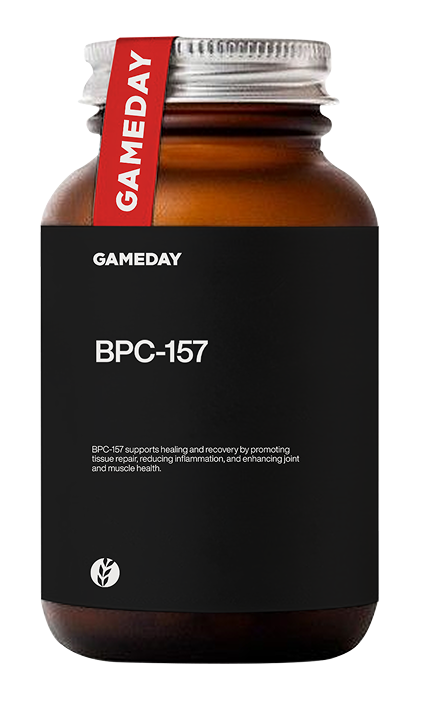
Product Image (for Reference)
Oral vs. Other Delivery Approaches: The Trade-Offs I See
People often compare oral approaches with other delivery methods, usually because convenience competes with biological delivery efficiency. Here’s the balanced, real-world perspective I use when writing for readers.
| Factor | Oral (bpc 157 peptide oral) | Other delivery approaches (general) |
|---|---|---|
| Convenience | High—easy to integrate into daily routines | Varies—can be less convenient depending on method |
| GI survival | Potential limitation—depends on formulation stability | Often reduced GI breakdown concerns |
| Bioavailability variability | Can vary widely by product/formulation | May be more direct depending on the method |
| Control & consistency | Easy to maintain consistent dosing habits | May require more careful handling and adherence |
| What to evaluate | COA quality, labeling clarity, formulation strategy | Same—plus additional method-specific considerations |
The practical takeaway: oral delivery can be a reasonable convenience choice, but you should be stricter about evaluating product quality and formulation intent. If your main goal is “maximize delivery,” convenience alone shouldn’t decide.
How to Approach Your First Oral BPC-157 Routine (Without Guesswork)
Based on how I’ve helped readers structure experiments and minimize confusion, here’s a sensible approach if you decide to try bpc 157 peptide oral products.
- Choose a product with verifiable quality: look for lot-matched COA and clear dosing per serving.
- Start with consistent timing: take it the same way each day; track when you take it.
- Don’t stack multiple new variables: if you add other supplements or adjust diet/activity, do it one change at a time.
- Track outcomes you can actually observe: use simple notes (tolerance, digestion comfort, adherence). If you’re pursuing a specific goal, define what “progress” means for you.
- Reassess after a reasonable interval: if you aren’t seeing any meaningful changes and you’re maintaining good adherence, it may be a signal to review the product quality, formulation fit, or your expectations.
I’ll be direct: peptides and supplement outcomes can be highly variable. Your job is to reduce variables you can control—so when you do see something (or don’t), you learn from it.
Potential Limitations and How to Stay Objective
Oral peptide routines often disappoint people when expectations are set by online narratives rather than product reality. The main limitation is not “you did it wrong”—it’s that oral delivery can be less predictable due to digestion and formulation differences.
Also, keep the following objective lens:
- Quality varies: not all products are tested or labeled with the same rigor.
- Claims may outpace evidence: marketing language often doesn’t reflect human data for oral formulations.
- Individual response differs: adherence, baseline health, diet, and concurrent supplements influence outcomes.
FAQ
Does bpc 157 peptide oral delivery work the same way as other methods?
Not necessarily. Oral delivery depends heavily on formulation stability and effective release/absorption. Two “oral” products can behave very differently, so focus on labeling clarity, lot-tested quality, and whether the product explains its oral delivery strategy.
What should I look for on the label before buying?
Look for: clear peptide amount per serving, full ingredient/excipient transparency, and lot-matched third-party test documentation (COA). If these are missing or inconsistent, it’s a practical quality concern.
How long should I trial an oral BPC-157 peptide product?
I generally recommend setting a defined trial window and tracking adherence and tolerance consistently. If you don’t observe any meaningful change by the end of your planned window, reassess the product choice and your expectations rather than continuing indefinitely.
Conclusion: A Practical Next Step
Oral BPC-157 peptide can be a convenience-friendly option, but the route adds variables—especially digestion and formulation stability. In my experience, the best way to approach it is to prioritize verifiable quality (COA and clear dosing), choose a product with an understandable oral delivery approach, and run a structured trial while tracking what you can actually observe.
Next step: pick one oral BPC-157 product that provides lot-matched testing and clear dosing, then start a consistent daily routine and record tolerance and adherence for your defined trial window.
Discussion