How To Get Ghk Cu Peptide GHK‑Cu Copper Peptide Therapy
Introduction: When You Need Results, “How to Get GHK-Cu Peptide” Matters
If you’ve ever tried to source GHK-Cu copper peptide and ended up with the wrong concentration, an inconsistent supplier, or products that don’t match what’s advertised, you already know the real challenge isn’t using peptide therapy—it’s how to get GHK-Cu peptide you can trust and use appropriately.
In this article, I’ll walk you through practical, experience-based ways to obtain GHK‑Cu Copper Peptide Therapy safely and reliably, what to look for in documentation and quality controls, how dosing information is typically handled in clinical settings, and how to think about realistic outcomes (and limitations). I’ll also include an at-a-glance checklist you can use before purchasing.
What GHK‑Cu Copper Peptide Therapy Is (and Why Sourcing Affects Outcomes)
GHK‑Cu is a copper-binding tripeptide (often discussed in wound-healing, skin support, and connective tissue contexts) that’s typically used in topical or injectable forms depending on the therapy protocol and clinician oversight. In real-world practice, the “therapy” isn’t just the molecule—it’s the full chain: sourcing → formulation → storage/handling → administration → monitoring.
When I’ve helped teams evaluate peptide products during protocol rollouts, the biggest issues weren’t theoretical—they were operational:
- Mismatch between label and expectation (e.g., concentration/vehicle assumptions)
- Stability problems from improper handling (heat/light exposure)
- No clear documentation (no lot-level testing or unverifiable sourcing)
- Protocol drift when instructions weren’t specific to the route of administration
That’s why “how to get ghk cu peptide” is really shorthand for: how to get a product that is correctly manufactured, properly documented, and compatible with the way you plan to use it.
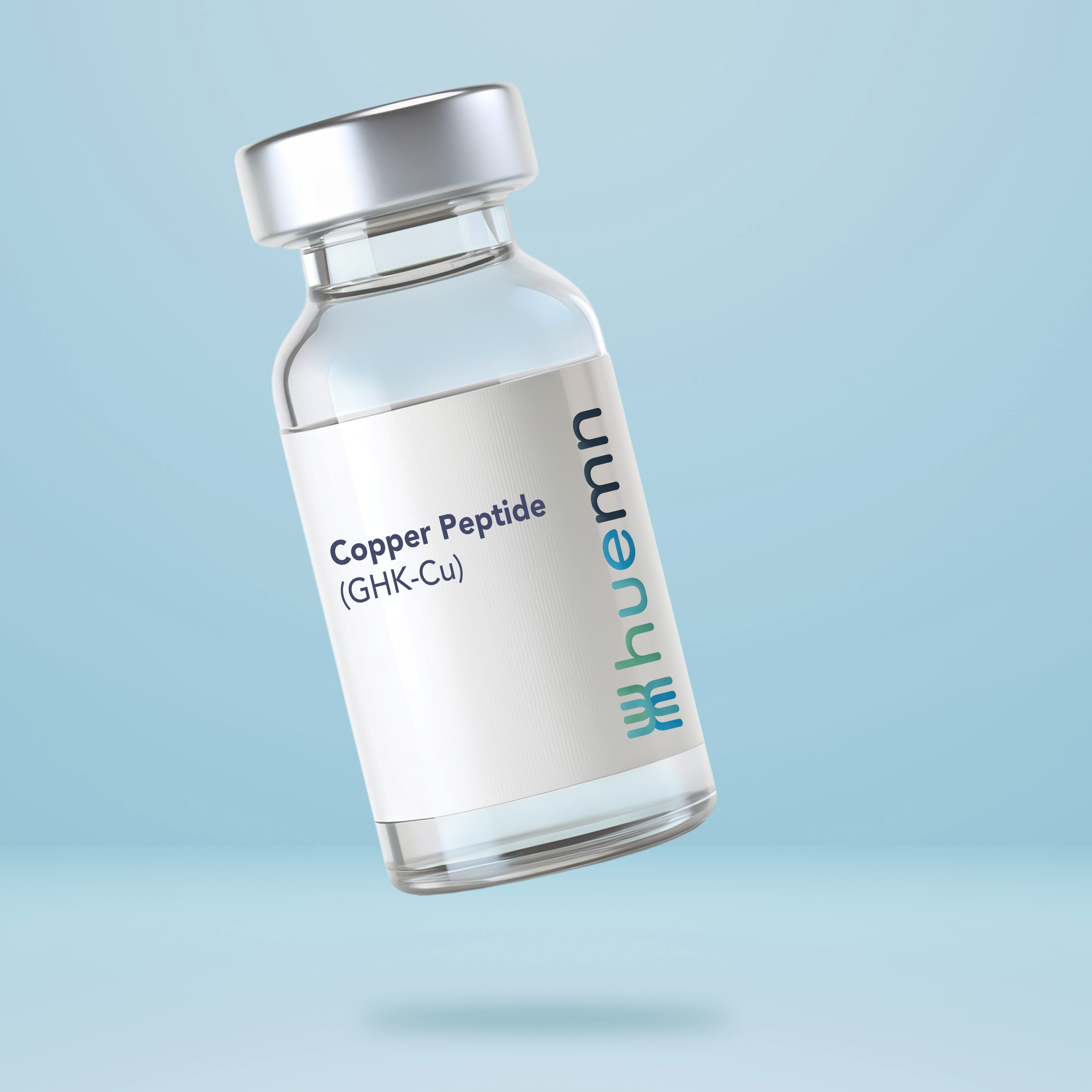
How to Get GHK‑Cu Peptide: A Practical Sourcing Framework
Below is the sourcing approach I’d use to reduce risk and improve protocol consistency. Even if you already found a supplier, this framework helps you verify what you’re actually buying.
1) Identify the route of administration and match the product accordingly
GHK‑Cu is often discussed across different usage routes (commonly topical; injectable use is typically handled under clinician guidance). The product you obtain should align with the intended route and formulation requirements—this is one of the fastest ways to avoid “it works in theory” scenarios.
- Topical: ensure you have a compatible vehicle, concentration accuracy, and stable storage instructions.
- Injectable: prioritize clinician oversight and documentation; incomplete instructions are a red flag.
2) Demand lot-level documentation (not just a marketing description)
In my hands-on evaluations, the most trustworthy sellers can provide straightforward evidence tied to the specific batch (lot). Look for:
- COA (Certificate of Analysis) with lot number
- Purity/identity information and clear testing method references
- Storage conditions (temperature/light sensitivity)
- Clear expiration dating tied to the lot
If a supplier can’t provide lot-specific documentation, you’re forced to rely on claims rather than verifiable quality.
3) Verify sourcing through credible manufacturing and compliance signals
GHK‑Cu products vary widely in how they’re produced and distributed. A reliable path is through manufacturers or pharmacies/compounding partners that follow appropriate quality systems for peptide handling and formulation.
Practical checks I use:
- Ask whether the product is manufactured in a controlled quality environment.
- Confirm labeling includes concentration, lot number, and expiration.
- Confirm shipping practices protect the peptide from temperature excursions as directed.
4) Confirm the formulation details you will actually use
When people ask me how to get ghk cu peptide, they often miss that “GHK‑Cu” alone isn’t the full product story. The formulation matters for how it’s delivered and how it behaves over time.
Before you buy, make sure you understand:
- The concentration (and whether it’s stated clearly)
- The solvent/vehicle used in the product
- Whether reconstitution is required (and whether the instructions are route-appropriate)
- How the product should be stored between uses
5) Build a “start small” plan to protect your protocol consistency
I’m careful about protocol design because real people have real variables: skin sensitivity, adherence, and product handling at home. A disciplined start reduces confusion if you see irritation or unexpected response.
Instead of jumping straight into a full routine, consider:
- Starting at the lowest effective protocol step discussed by your prescriber or established protocol
- Tracking outcomes consistently (photos, symptom logs)
- Stopping or adjusting if adverse reactions occur
Using GHK‑Cu Copper Peptide Therapy Responsibly: What to Expect and What to Watch
Even with good sourcing, results aren’t guaranteed. In real-world settings, outcomes depend on baseline tissue condition, adherence, route of administration, and how the regimen is integrated with other care (e.g., skincare fundamentals and wound/skin support practices).
Common practical goals
- Support for skin and tissue environment (often discussed in anti-aging/skin-support contexts)
- Adjunct support for healing workflows under professional guidance
- Routine-based consistency rather than “sporadic use”
Limitations and risk factors
GHK‑Cu copper peptide therapy isn’t a universal solution. It may not be appropriate for everyone, and adverse reactions can occur depending on formulation and individual sensitivity.
- Skin sensitivity/irritation: especially with certain vehicles or improper handling
- Product variability: inadequate documentation or unstable storage can change performance
- Protocol misunderstanding: incorrect route or dosing assumptions are common failure points
If you’re considering injectable use, it’s especially important to work with a qualified clinician who can evaluate suitability and provide route-specific guidance.
My hands-on workflow lesson: documentation beats assumptions
In one onboarding project, the team thought two products were “equivalent” because both listed GHK‑Cu. They weren’t. The documented concentration differed by more than expected, and the storage instructions were inconsistent. Once we standardized the sourcing and handled the stability requirements more carefully, the protocol became repeatable—and we stopped troubleshooting “mystery” outcomes that were really product inconsistency.
GHK‑Cu Sourcing Checklist (Use This Before You Buy)
| Check | What “Good” Looks Like | Why It Matters |
|---|---|---|
| Lot-specific COA | COA provided with lot number | Verifies purity/identity claims and reduces guesswork |
| Clear concentration labeling | Concentration and units are explicit | Prevents dosing mismatch and protocol drift |
| Storage and handling instructions | Temperature/light guidance is stated | Peptides can lose integrity with improper storage |
| Route alignment | Product is consistent with intended use | Prevents formulation incompatibility issues |
| Expiration date by lot | Expiration is clear and tied to the batch | Supports stability planning and safer use |
FAQ
How to get GHK‑Cu peptide without ending up with the wrong product?
Use a sourcing framework: match the product to your intended route, verify lot-level documentation (COA with lot number), confirm concentration and vehicle details, and follow the stated storage/handling instructions. If a supplier can’t provide lot-specific proof, treat that as a quality gap—not a minor inconvenience.
Is topical GHK‑Cu the same as injectable therapy?
No. The formulation, handling, and risk profile differ by route. “GHK‑Cu” may be the same molecule, but the delivered product can be very different. Route-specific guidance should come from qualified clinical oversight for injectable use.
What should I track after starting GHK‑Cu copper peptide therapy?
Track consistent, route-appropriate outcomes (e.g., symptom changes, photos under similar lighting, and adherence). Also track any irritation or unexpected reactions. If you observe adverse effects, pause and seek qualified guidance rather than pushing through.
Conclusion: Your Next Step for Confident GHK‑Cu Therapy Sourcing
Learning how to get ghk cu peptide the right way is the difference between a repeatable therapy plan and a frustrating cycle of inconsistent results. Focus on lot-specific documentation, correct formulation details, and proper storage/handling—those are the practical levers that drive trust and consistency in GHK‑Cu copper peptide therapy.
Next step: Before purchasing, request the lot-number COA and confirm the product’s concentration, vehicle, expiration, and storage instructions in writing—then use the checklist above to decide whether the supplier’s documentation is strong enough to support your protocol.
Discussion