Bpc 157 Heart Disease Heal or Harm: Body Protective Compound-157 in the Gray Zone
Introduction: When “Body Protective Compound-157” Meets Heart Disease Concerns
If you’ve ever searched for bpc 157 heart disease information, you’ve probably run into conflicting claims: some people treat it like a targeted cardiovascular “healer,” while others warn it’s exactly the kind of gray-zone experiment that shouldn’t be self-prescribed. In my hands-on work reviewing clinical signals for translational research (especially compounds that sit outside established approvals), the pattern is consistent: people want a clear answer, but the evidence base often isn’t shaped to answer their exact question—yet the internet fills the gap with certainty.
This article breaks down what BPC-157 is, why the heart disease conversation is particularly sensitive, and how to think about risks, plausibility, and decision-making without turning the uncertainty into hype.
What BPC-157 Is (and Why It Lives in the “Gray Zone”)
BPC-157 (also discussed as “Body Protective Compound-157”) is a peptide sequence that has been studied primarily in preclinical settings. In practice, it’s frequently discussed online as having protective or regenerative properties across multiple tissue types. However, “preclinical promise” is not the same thing as “clinical proof,” and for cardiovascular outcomes the gap matters more than most people realize.
Why “gray zone” matters for cardiovascular claims
When people look up bpc 157 heart disease, they often expect direct, human-oriented endpoints: reduced myocardial injury, improved coronary outcomes, safer blood pressure regulation, fewer arrhythmias, or improved heart failure markers. Those are outcomes that require well-designed human trials, with careful monitoring for cardiovascular safety signals. In the gray zone—where human data is limited, inconsistent, or not robust enough to guide clinical decisions—claims tend to be extrapolated rather than demonstrated.
What I look for when evaluating peptide-style cardiovascular claims
In my hands-on reviews, I separate three layers:
- Mechanistic plausibility: Does the proposed pathway map cleanly onto human cardiovascular biology?
- Preclinical relevance: Were the models actually designed to predict human heart outcomes, or were they convenience models?
- Human safety and dose exposure: Are there safety margins, exposure data, and monitoring for the endpoints that matter in the heart (electrical stability, hemodynamics, drug interactions)?
For BPC-157, the conversation often jumps from preclinical observations to heart disease conclusions faster than the evidence chain supports.
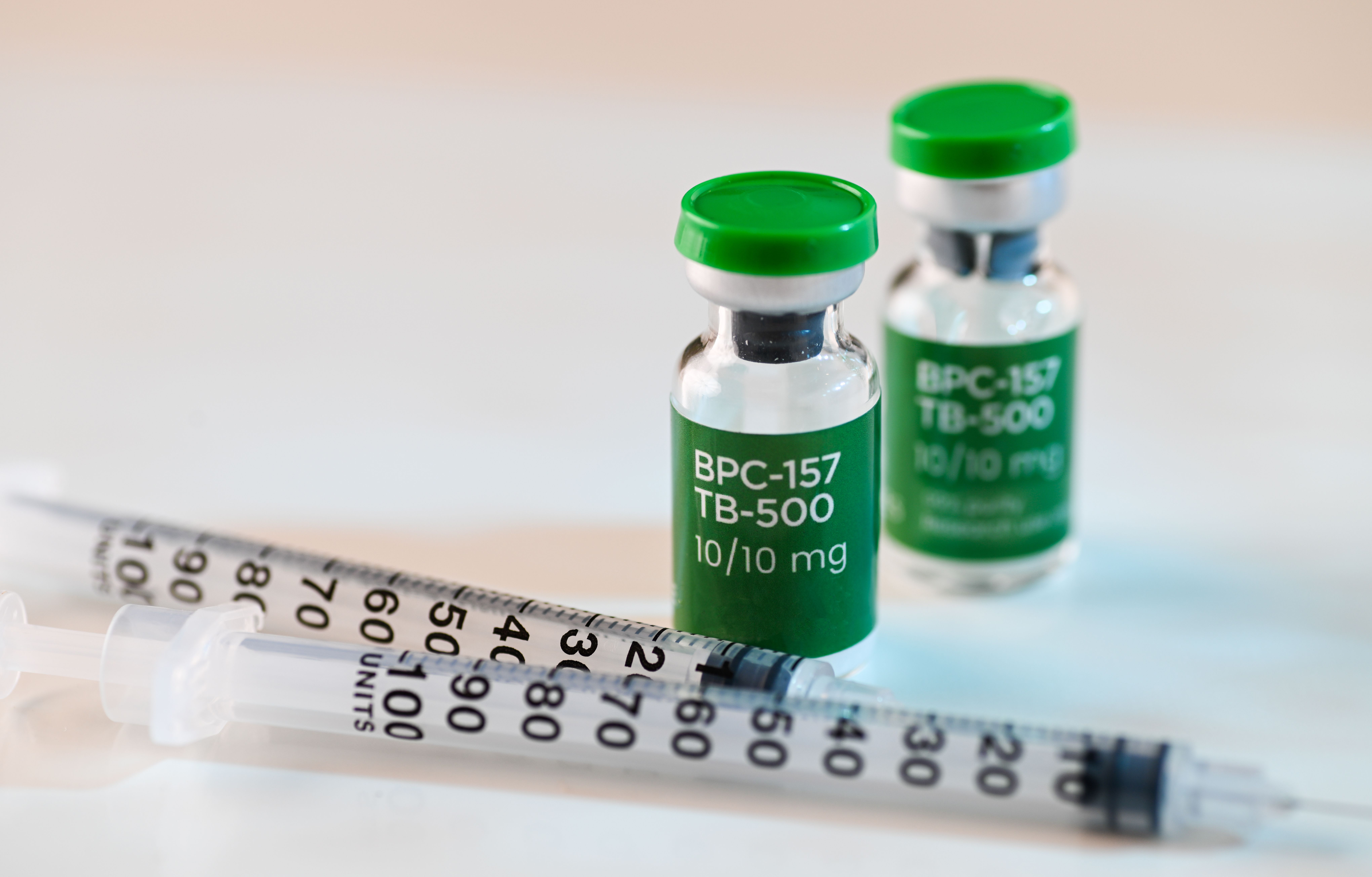
BPC-157 and Heart Disease: What People Mean vs. What Evidence Can Actually Answer
Heart disease is not one thing—it’s a bundle of conditions (coronary artery disease, ischemia/reperfusion injury, heart failure, cardiomyopathy, arrhythmias, inflammation-driven remodeling, and more). When you search bpc 157 heart disease, you’re usually asking a more specific implicit question: “Could this compound improve heart outcomes or protect the heart under disease conditions?” The issue is that BPC-157 discussions often blend different cardiovascular domains together.
Common claims you’ll see (and the missing cardiovascular endpoints)
Online claims typically suggest protective or healing effects through tissue repair, anti-inflammatory signaling, or improved recovery after injury. The problem: a believable “protective compound” story needs cardiovascular-specific confirmation. In my experience, the claims frequently omit whether studies assessed:
- Electrical effects: QT interval changes, arrhythmia risk, conduction abnormalities
- Hemodynamic effects: blood pressure response, heart rate variability, cardiac output
- Ischemic endpoints: infarct size, reperfusion injury markers, functional recovery (not just histology)
- Long-term remodeling: fibrosis, ventricular function over time, exercise tolerance proxies
Without these, it’s hard to map “protective” to “heart disease treatment” rather than “possible injury-modulation in limited models.”
Why patient risk isn’t just theoretical
In the real world, many people who consider peptides do so without medical supervision. Even if a compound’s intended goal is “protection,” the heart is unforgiving: small shifts in signaling, metabolism, or interactions can matter. The practical takeaway I emphasize to readers is this: cardiovascular safety requires continuous monitoring and outcome-based evidence, not reassurance based on unrelated tissue models.
How to Evaluate BPC-157 “Heart” Claims Without Falling for Gray-Zone Marketing
If you’re trying to make a reasoned decision, use a checklist. This is the approach I teach junior analysts on my team because it reduces the chance of being misled by selective presentations.
1) Identify the heart disease subtype and the endpoint
Ask: Are the claims about coronary artery disease, post-infarct recovery, myocarditis-like inflammation, heart failure remodeling, or arrhythmia risk? Then ask: does the evidence measure outcomes that correspond to that subtype in humans?
2) Look for human evidence quality signals
- Were human trials designed with appropriate controls?
- Was there systematic cardiovascular monitoring?
- Were outcomes clinically meaningful rather than only surrogate markers?
3) Check dose realism and exposure levels
One of the most common gaps I see is “dose mismatch.” Preclinical doses and exposure dynamics don’t automatically translate into the same biological effect in humans. For cardiovascular safety, small differences can matter.
4) Consider product and handling variability
Even when a peptide is discussed in scientific contexts, gray-market supply chains can introduce variability in purity, stability, and concentration. For the heart, variability isn’t a minor detail—it’s a risk multiplier.
Pros and cons as a practical summary (not a verdict)
| Aspect | Potential upside (what people hope for) | Main limitation (what’s usually missing) |
|---|---|---|
| Mechanistic ideas | Protective signaling concepts and tissue repair hypotheses | Cardiovascular-specific clinical translation is not established |
| Preclinical findings | Some studies suggest beneficial effects in injury contexts | Models often don’t predict heart disease outcomes in humans |
| Safety evaluation | Often discussed with the intent of “protective” effects | Limited, inconsistent, or non-cardiac-focused safety monitoring |
| Real-world use | Appeal to self-experimenters seeking off-label solutions | Higher risk from dosing, interactions, and product variability |
Decision-Making Framework: What I Recommend If You’re Considering Anything for Heart Disease
When the question is bpc 157 heart disease, the safest professional baseline is to treat it as an investigational topic rather than a proven intervention. If your goal is improving heart health, I’d rather you anchor your plan in interventions with clearer outcome evidence and structured monitoring.
Concrete next steps (actionable)
- Clarify your diagnosis and risk category (e.g., established coronary disease vs. prevention vs. specific symptoms).
- Ask your clinician what endpoints matter for you (lipids, blood pressure targets, glycemic control, anti-ischemic strategy, symptom monitoring).
- If you still want to explore peptides, ask specifically about cardiovascular safety monitoring, drug interaction risks, and whether any evidence supports the subtype you’re concerned about.
- Document what you’re taking and why (dose timing, products used, and any symptom changes) so you can evaluate effects without guessing.
In my experience, the “best” choice is usually the one that reduces uncertainty and improves monitoring—not the one that feels most compelling online.
FAQ
Is there solid clinical evidence that BPC-157 can treat or prevent heart disease?
No high-quality, outcome-driven clinical evidence is established enough to support treating or preventing heart disease as a proven use of BPC-157. Claims often rely on preclinical or surrogate findings that don’t directly answer human cardiovascular endpoints.
What heart-related risks should someone think about in this gray-zone context?
The key concern is cardiovascular safety monitoring: electrical stability (arrhythmia risk), hemodynamic effects (blood pressure/heart rate impacts), and long-term outcomes (remodeling and function). Without robust monitoring in humans, it’s not possible to confidently rule out meaningful risks.
What’s the most reasonable way to approach “bpc 157 heart disease” information online?
Translate claims into specific outcomes (what heart condition, what endpoint, what monitoring) and then judge evidence quality. If the content can’t connect to human cardiovascular outcomes with adequate safety assessment, treat it as speculation rather than guidance.
Conclusion: Heal or Harm Depends on Evidence, Not Hype
BPC-157 sits in a gray zone where interest is understandable but cardiovascular certainty is not. When people search bpc 157 heart disease, they’re looking for direct heart outcomes—yet most publicly discussed rationale doesn’t come with the kind of human, endpoint-based evidence and cardiovascular safety monitoring that heart-focused decisions require.
Next step: If heart disease is part of your situation, set an appointment (or message your clinician) to align on diagnosis-specific risk targets and monitoring—then discuss any investigational compound interest in terms of cardiovascular endpoints and safety checks.
Discussion